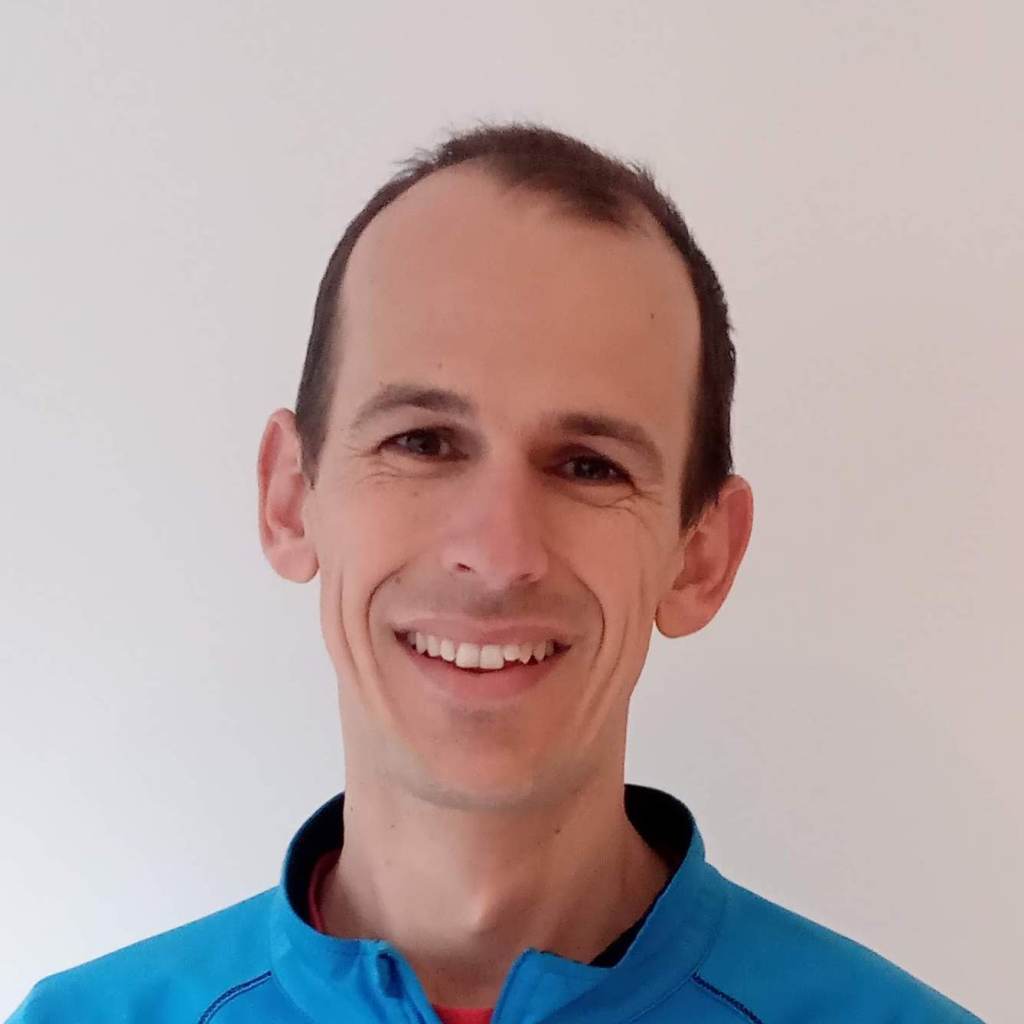
Miguel Branco
Group Leader
Miguel completed his PhD with Ana Pombo in 2007, working on the spatial organisation of the genome. He spent his postdoc years in the lab of Wolf Reik, studying the role of DNA modifications during early mouse development. He then became enamoured with transposable elements, and started his lab in 2013 to learn more about them. Miguel doesn’t handle a pipette very often these days, but he loves playing with R.
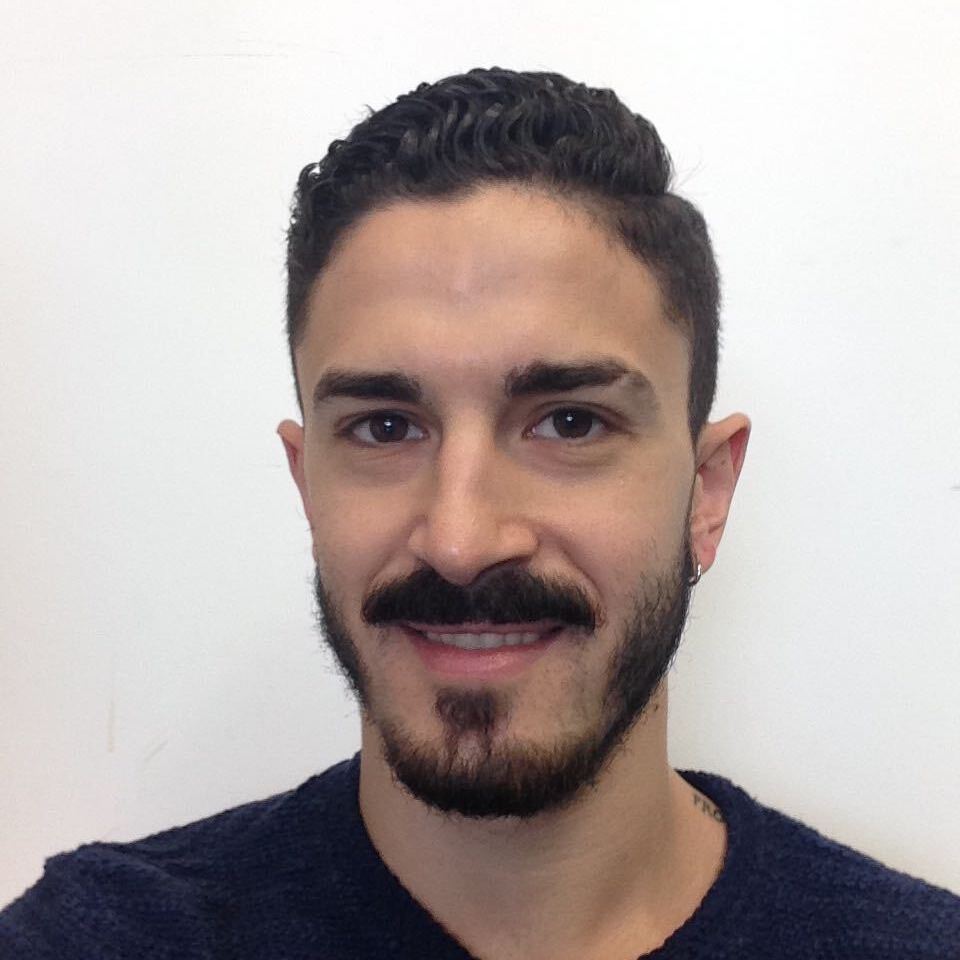
Samuele Amante
Postdoctoral Researcher
Sam worked in Rebecca Oakey’s lab first as an undergraduate, then as a research assistant, and finally as a PhD student. During that time he worked on the regulation of imprinting, endocardial differentiation, and the role of intragenic CpG islands. He joined us after completing his studies in 2019. Sam is studying the evolution and roles of transposon-derived enhancers in the trophoblast of the Mus lineage.
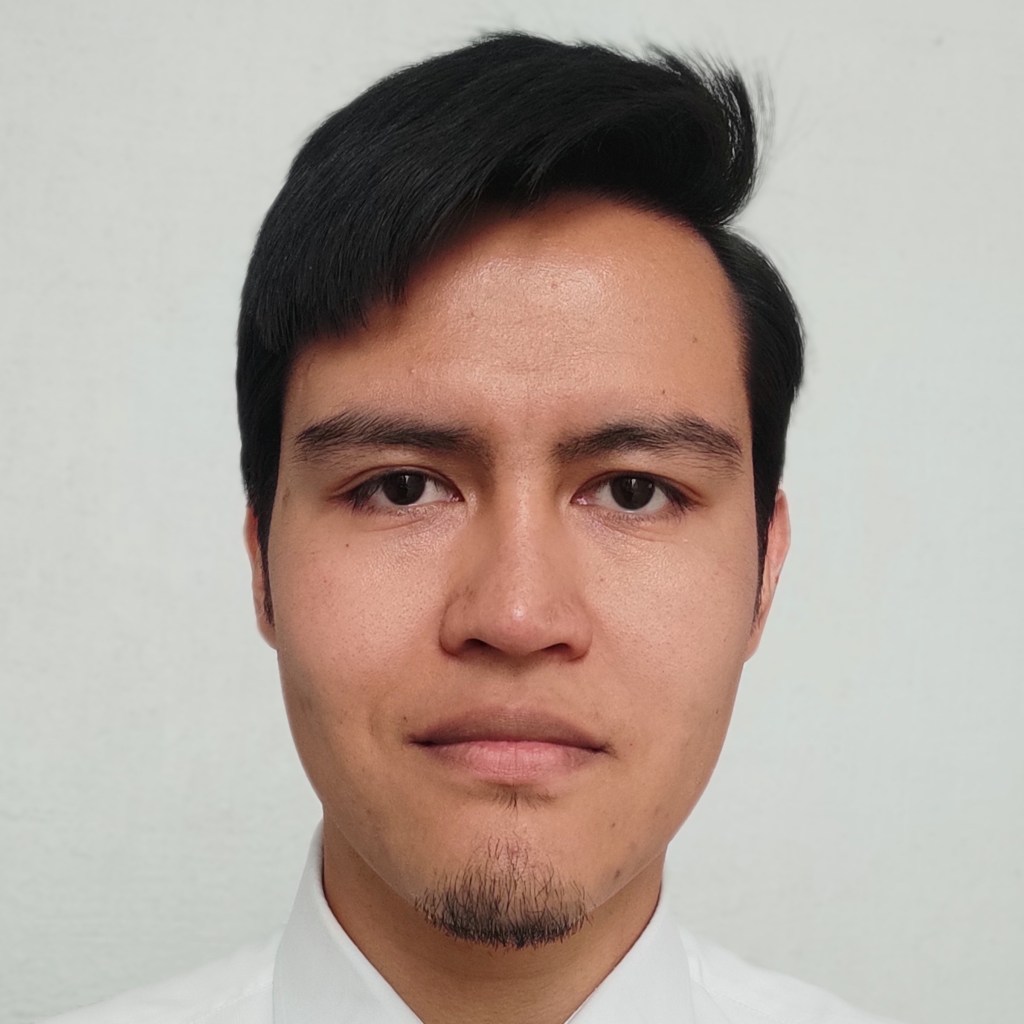
Aldo Juárez-Miranda
PhD Student
Aldo did a BSc in Biology and an MSc in Bioscience at the Instituto Politécnico Nacional in Mexico. Whilst there he worked on population genetics and phylogeography of wild plants. He also gained industrial experience at Igenomix Mexico, working on pathogen detection, and at Hirostechnologias. He started his PhD in 2022 to study transposon regulation in primate trophoblast.
Jessica Li
PhD Student
After completing a BSc in Medical Biosciences at Imperial College London, Jessica did an MRes in Biosciences at UCL, undertaking a research project in Rickie Patani’s lab to investigate RNA binding proteins in ALS. She started her PhD in 2023 supported by an iCASE studenship awarded by the BBSRC LIDo programme, in partership with Altos Labs. She is doing a functional genetics project on an intriguing trophoblast-related locus.
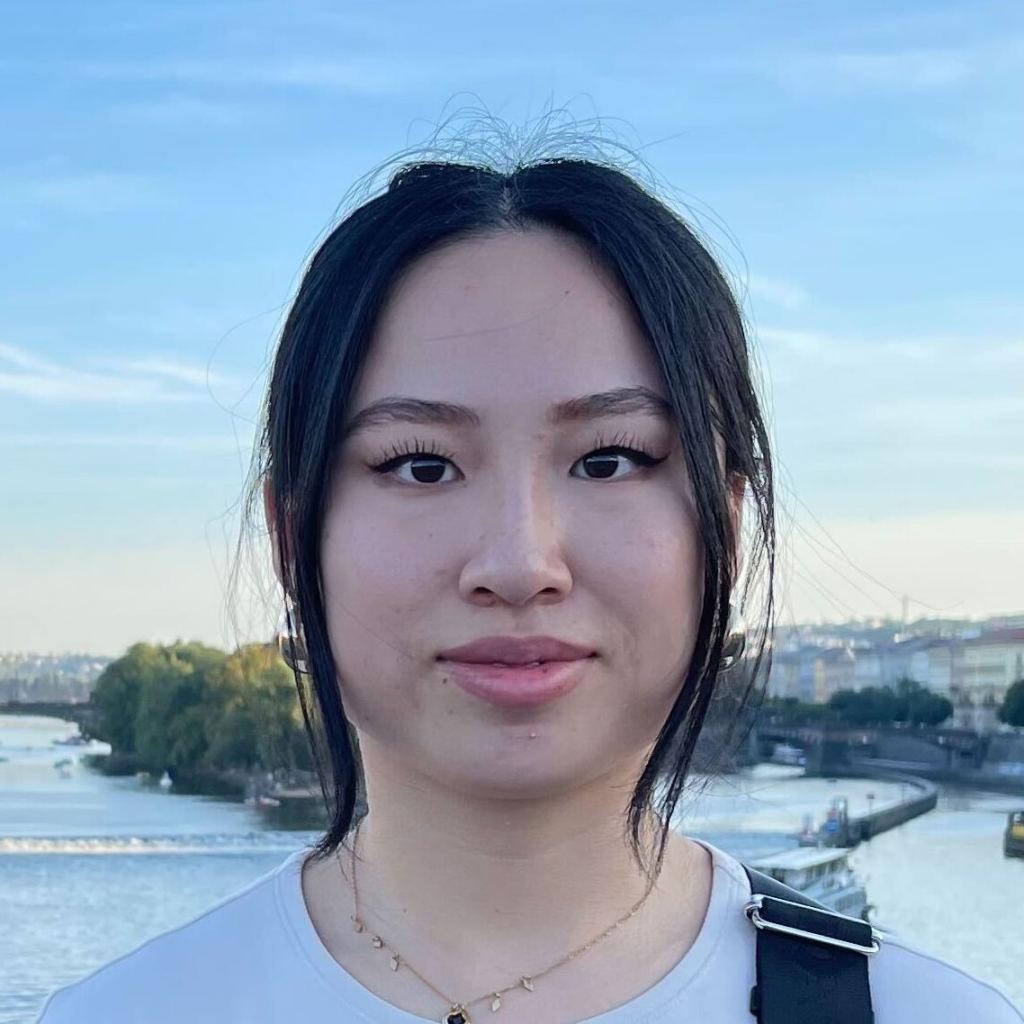

Diane Vaz
PhD Student
Diane completed a graduate degree in Biology and an MSc in Clinical Genetics at the University of Coimbra, Portugal. For her MSc dissertartion she studied genetic and epigenetic causes of recurrent pregnancy loss, under the supervision of Dr. Sofia Dória (University of Porto). In 2023 Diane secured a PhD studentship from the Foundation for Science and Technology (Portugal) to study the roles of transposons in recurrent pregnancy loss, a joint project between ours and Dr. Dória’s lab.
Keroshini Guynes
Postdoctoral Researcher
Kero did her PhD at QMUL, focussing on evolutionary developmental biology and epigenomics, then completed a postdoc at the Institute of Molecular Biotechnology Austria (IMBA) in Vienna. She joined the lab in 2025 to investigate the function of transposons as regulatory elements in human endometrial function, including a comparative evolutionary approach across primates.

Alumni
Jennifer Frost was a postdoc from 2016 to 2023. She identified ERVs that act as key regulators of gene expression in human trophoblast, together with other contributions to the lab. She is now a group leader at King’s College London.
Darren Taylor was a PhD student from 2017 to 2022. He developed a new strategy for locus-specific ChIP-seq profiling at interspersed repeats. He is currently a postdoc in Mark Yarmarkovich’s lab at NYU.
Özgen Deniz was a postdoc from 2014 to 2020. Amongst other contributions, she uncovered TEs that gain enhancer activity in AML. She is now a group leader at the Barts Cancer Insitute.
Ekaterina Rozhavskaya started her PhD in our lab in 2016, working on the regulation of LINE-1 expression in cancer. She later decided to follow greener pastures, and is currently a senior project manager at Owkin.
Christopher Todd was the first PhD graduate from the lab (2014-2019). He used genetic and epigenetic editing to test the regulatory role of TEs in mouse embryonic and trophoblast stem cells. He is currently a scientist at Altos Cambridge Institute.
Kevin Cheng was a research assistant from 2015 to 2018, who dissected the mechanism of LINE-1 regulation by vitamin C in mouse embryonic stem cells. His aptitude for computational work led him to a PhD position in Jüri Reimand’s lab, in Toronto.
Lorenzo de la Rica was the first member of the lab (2013-2016). During his postdoc he described how TET enzymes play a dual role in the regulation of LINE-1 expression in mouse embryonic stem cells. He is currently a research programme manager at Cancer Grand Challenges.
 Branco Lab