We are interested in the interplay between transposable elements and the host genome at the level of transcriptional regulation

Transposable elements (TEs) are a highly diverse group of genetic entities that can move around the genome, although they may lose that capacity through mutational processes. On one hand, TEs pose a mutagenic risk to their host, such that their activity needs to be restricted by transcriptional silencing and other mechanisms. On the other hand, TEs are a source of coding and non-coding sequences that can be co-opted by the host to drive evolution. Our lab aims to understand how mechanisms of transcriptional regulation are involved in these two seemingly opposing facets of transposon biology, as well as their impact on the host.
Control of TE expression
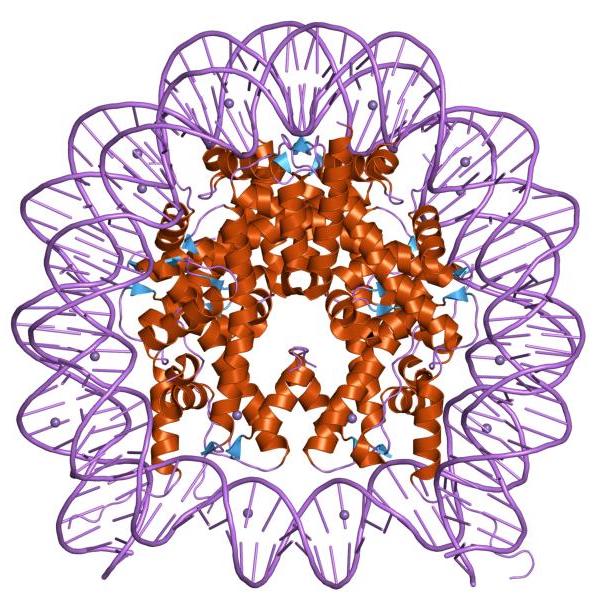
In most somatic tissues, TEs are transcriptionally repressed by a variety of mechanisms, including DNA methylation and histone modifications. We aim to better understand these mechanisms, the interplay between them, as well as the functional consequences of undue TE expression. We focus mainly on mammalian embryonic and extraembryonic development.
TEs as gene regulators

Non-coding sequences within TEs harbour multiple binding sites for host transcription factors. As TEs spread throughout the genome, some of these sequences can become important regulators of host gene expression. We aim to establish causal links between TE regulatory capacity, gene expression and phenotypes. To date, we have undertaken studies in the contexts of mammalian development and cancer.
TEs in placental evolution

Placentation displays remarkable diversity across different species, even within closely related ones. TEs provide an abundant source of new DNA sequences that can contribute to the fast evolution of the placenta. We are investigating how TEs and their regulation contribute to species-specific features of placentation.
 Branco Lab